

Supercilium Henna Color Chart
written bySima Ahmed
In This Article
The title already gives away what this blog is about: The color chart of Henna. This is also one of the most frequently asked questions that I regularly receive in my inbox from you. I want to explain everything that is involved in choosing a henna colour for your client (or for yourself). Besides looking at the skin and hair type of a client. There are also other factors that are very important for the outcome of a henna color. Below I explain what those factors are.
First things first: The Patch Test
I cannot stress this enough: a patch test is a non-negotiable step in your professional workflow. It must be performed at least 48 hours prior to the treatment to identify potential sensitivities or allergies to Henna. Most reactions are caused by PPD, an ingredient found in the majority of brow dyes.
For the most accurate result, always use Black Henna for the test, as it contains the highest concentration of PPD. If you don't have black, select your darkest available shade. Mix the henna as usual and apply a small amount behind the ear or in the inner elbow. Leave it for 20 minutes before removing. If the client experiences no redness, itching, or irritation within 48 hours, they are likely cleared for the service. Note: A patch test is a safety precaution but never a 100% guarantee against future reactions.
Factor 1: Natural Hair Type & Structure
The client's natural hair texture significantly dictates the final color payoff.
-
Fine Hairs: Clients with fine brow hair often see a lighter result. Because the hair is less dense, the henna may detach or fade more quickly.
-
Coarse/Stiff Hairs: Stiff brow hairs are highly porous and absorb pigment rapidly. This "absorbing system" means the color can develop quite dark and intense.
-
Grey Hairs: Grey hair can be stubborn as it is often a "hormone hair" lacking natural pigment. While henna works beautifully for some, others may find it doesn't take as well. Manage your client's expectations by explaining that grey coverage can vary.
Pro Tip: For clients with fine hair who want a bold brow look, I typically choose a darker shade to ensure the color pops. For clients with coarse hair wanting a natural brow look, I opt for a lighter shade to prevent the result from becoming too dark.
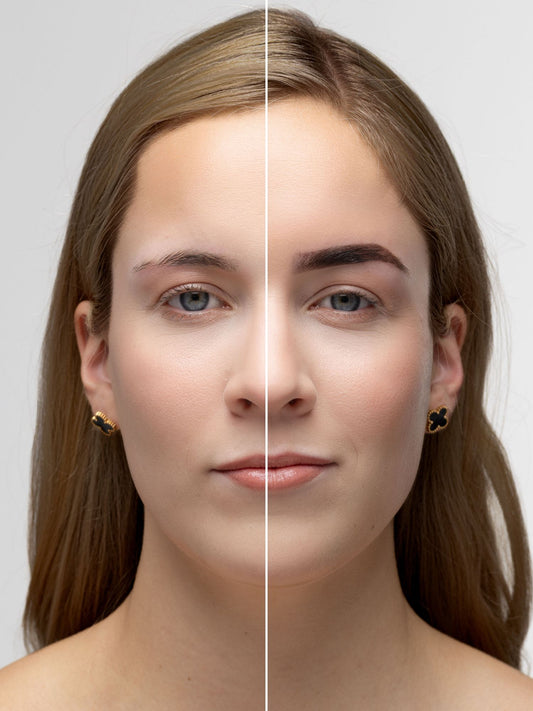
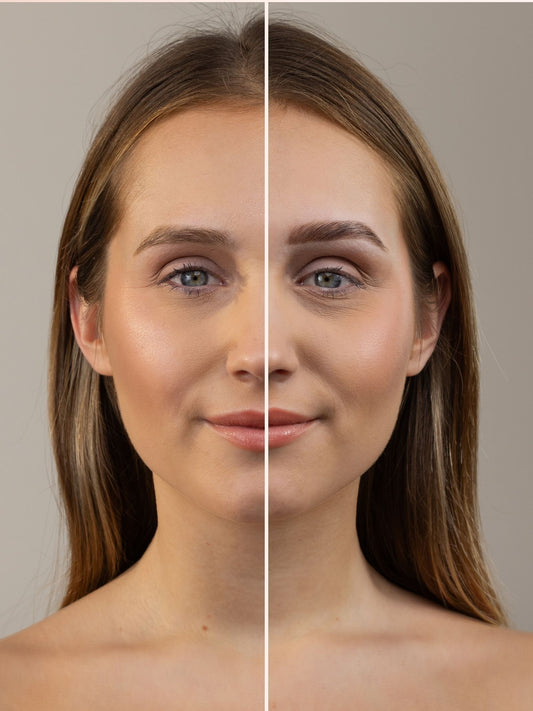
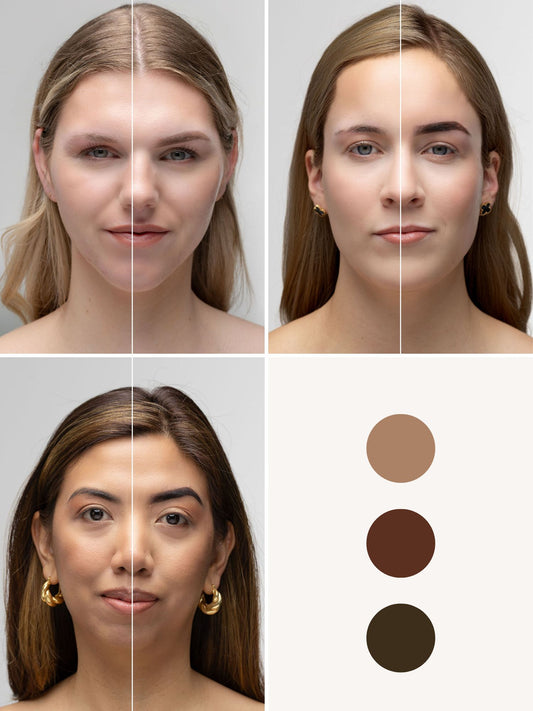
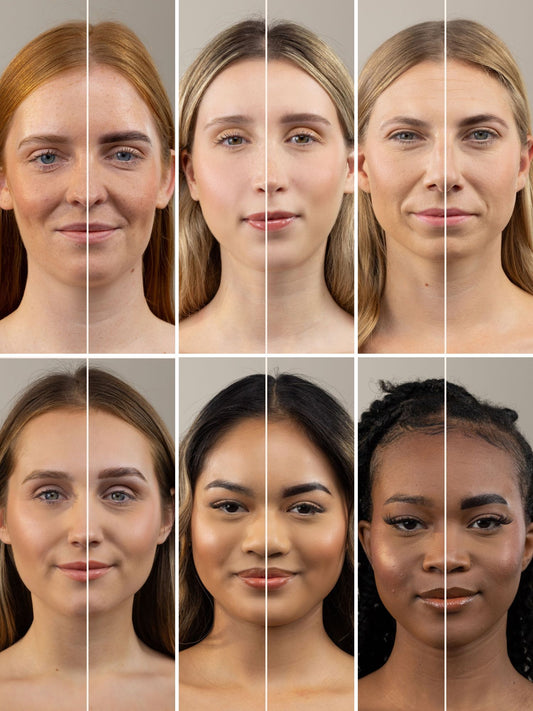
Below you can see a good example of 2 clients with the same henna hair color but different hair types.

Natural hair color
In addition to the hair type, it is also important to look at a person's natural hair color. A person with lighter hair will probably find the tinted henna hair more noticeable than someone who already has dark eyebrow hair. The trick is always to check which color is closest to your client's natural hair the first time and only go one shade darker to see how the henna will look on the skin.
-
Note: Henna cannot lighten dark brow hair.
-
Caution: Use extra care with bleached hair; the compromised structure absorbs dye almost instantly, which can lead to an over-saturated, intense result.

Factor 2: Skin Types & Longevity
The skin type is the biggest factor in how well the skin stain lasts and how dark it appears.
-
Dry/Dehydrated Skin: This skin type acts like a sponge, absorbing henna very quickly and intensely. I recommend checking the development after just 3 minutes to avoid an overly dark result.
-
Normal Skin: This is the ideal canvas. It absorbs the henna evenly for a balanced, predictable finish.
-
Oily Skin: Excess sebum creates a barrier that prevents the henna from "locking" into the skin. This often results in a lighter stain or shorter longevity. Always discuss this with your client during the consultation.
Factor 3: Undertones
The outcome of the henna color can also be determined by the undertone of the client.
A quick explanation: Warm undertones often can't have ashy colors. Think of a redhead with gray eyebrows. Or a black-haired person with red hair. These contrasts will clash on the face. That's why it's important to check beforehand whether a client has a warm or cool undertone.
Understanding whether a client has a warm or cool undertone prevents a "clashing" look. To master this, check out our Free Brow Basic Course.
Factor 4: Creating the Perfect Consistency
A very important step that many people underestimate: creating the henna mix the right way. As a brow expert, I worked under time constraints and tight schedules. Because of this, you are automatically tempted to mix henna and apply the henna color too quickly.
But let me tell you something, this process should not be rushed! This can affect the color of the henna. Below I describe again how to prepare the perfect henna mixture:
-
The Ratio: Mix two spatulas (or one .25g spoon) of henna powder with 20 drops of Eucalyptus Color Developer.
-
The Wait: Let the mixture sit for 5 minutes. Ensure any "white balls" have fully dissolved before application.
-
Texture: Ensure the mix is not too runny; it should be a smooth, creamy paste.
-
Storage: Store products away from extreme heat or cold to maintain the integrity of the formula.
-
Aftercare: Advise clients to avoid washing or scrubbing the area to prolong the long-wear results.
-
Prep: Suggest that the client gently exfoliates the brow area before their touch-up appointment to help the pigment sit better on the skin.
Henna Color Chart & Selection Guide
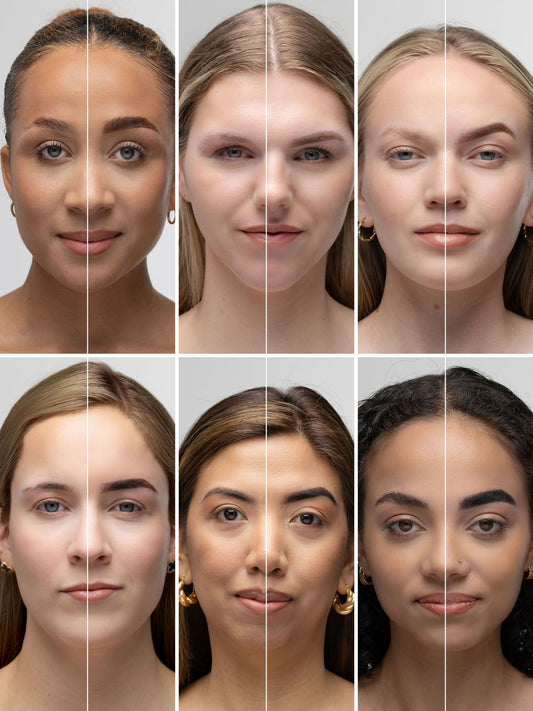
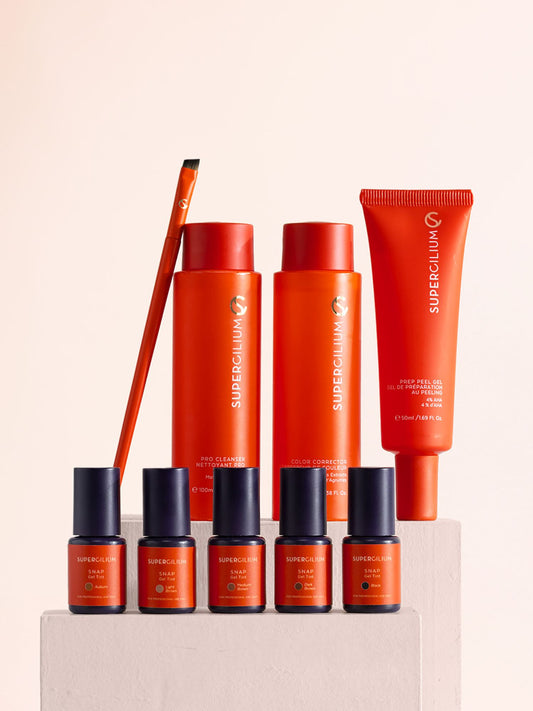
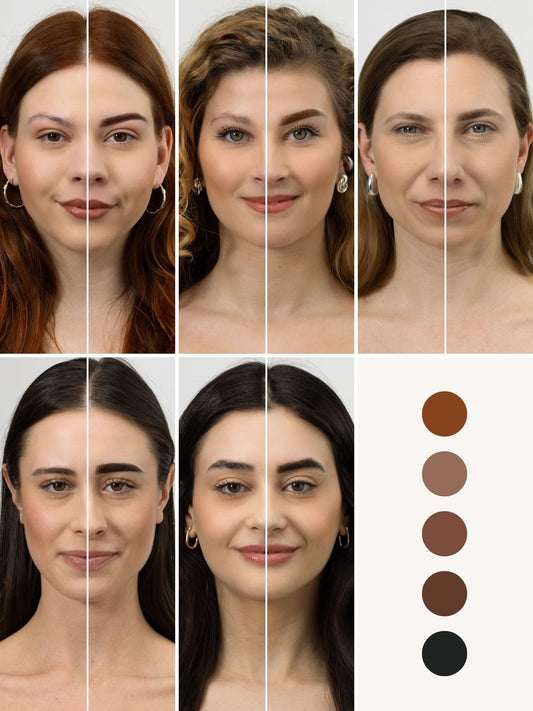
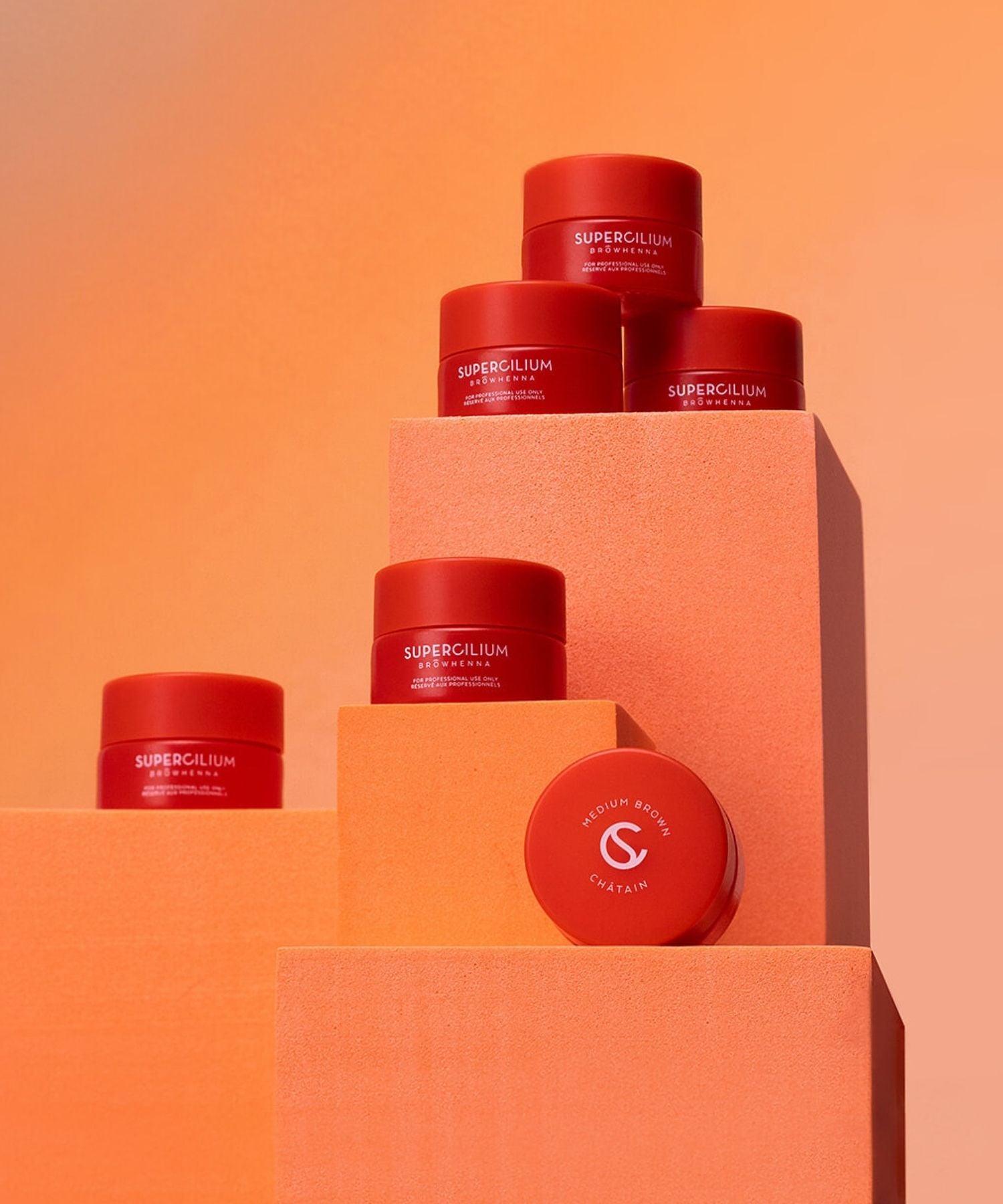
Explore our Henna color chart below for a detailed breakdown of which shades best complement specific skin tones and hair types.

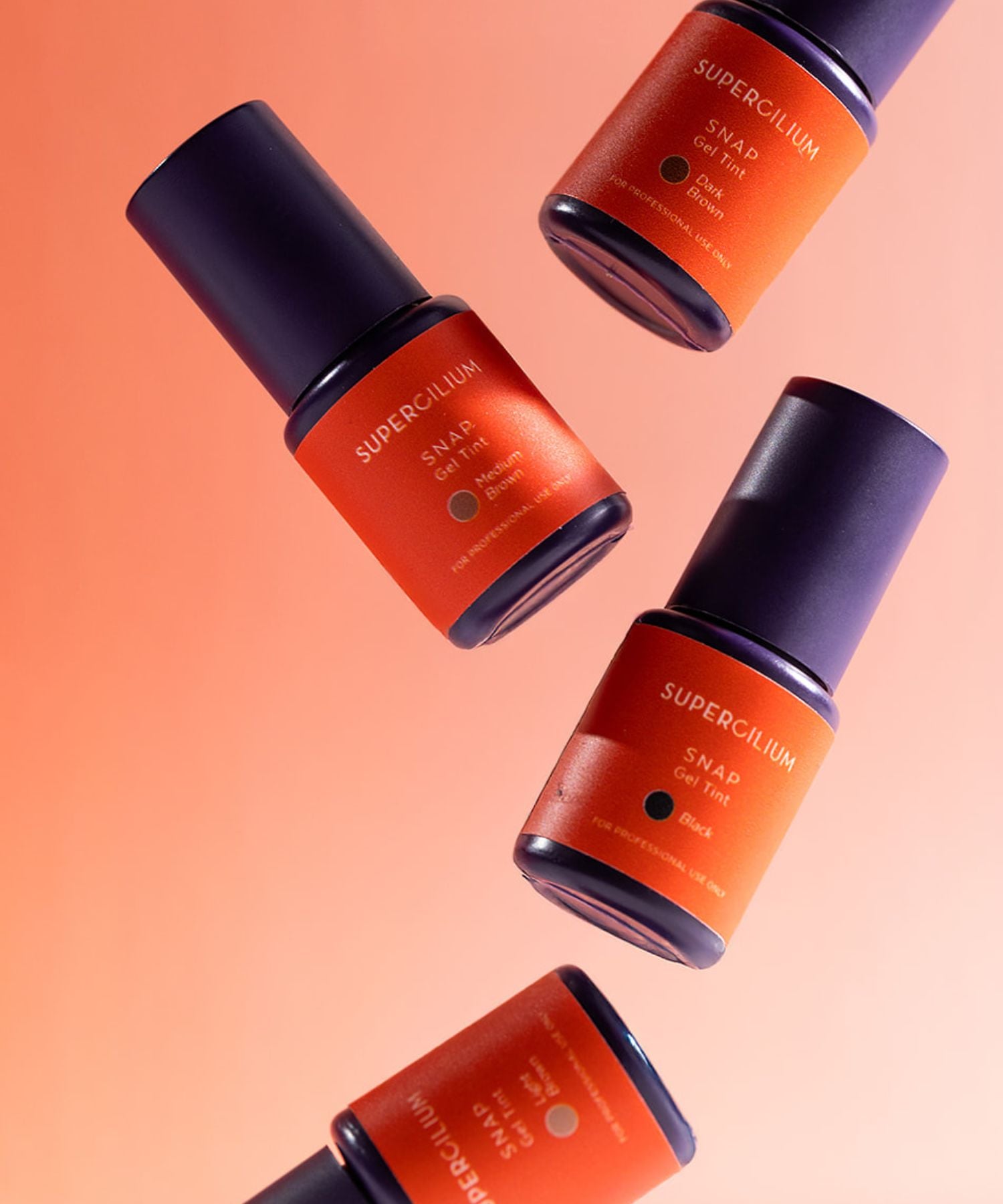
Blonde - Perfect for the fairest skin tones and light hair. The intensity depends on your "dwell time" (how long you leave it on). If you want a lighter stain, leave it on for a shorter time. Keep in mind that the color could turn either warmer, or cooler based on the clients skin tone.
Light Brown - This is ideal for blondes and brunettes or people with light skin tones. This is an excellent color to mix with the darker colors for perfect ombre brows. This color is also highly recommended for blondes who like ashy brows.
Auburn - This natural henna color is ideal for redheads or to mix with other henna colors such as the blonde and light brown henna dye to make those colors warmer. This color leaves a nice warm reddish-brown color on the eyebrows. We always recommend mixing this with another color to create a more intense look.
Medium Brown - This is a great match for brunettes and Mediterranean skin types who don't want super dark defined brows. It can give a nice neutral brown tone that is also perfect for olive toned skin types.
Dark Brown - Our dark brown is recommended for Mediterranean skin tones and darker hair types. It is a perfect espresso, rich chocolatey shade that goes perfectly with dark hair colors. You can also easily mix this with the black henna hair dye to create bold eyebrows, but not quite solid black.
Black - Our darkest and most intense henna color is suitable for medium to dark skin tones and black hair. You can mix this with the light and medium brown henna dye to create a more ashy color. Please note that this color can turn out very dark.