
What Brow Henna Color Should I Choose for Blondes?
written byNicole Domingues
In This Article
Understanding the Blonde Brow Challenge: The 3 Core Factors
Working with light-colored brow hairs (like platinum, honey blonde, or strawberry blonde) is incredibly rewarding because the hair cuticle readily absorbs pigment, allowing for dramatic, clean transformations. However, because fair skin provides zero contrast, any mistake in processing time or shade selection will be instantly visible. Before choosing your color, you must assess three distinct physiological factors:
1. Hair Structure & Cuticle Porosity
Not all blonde hair behaves the same way. You need to touch and analyze the brow hairs during your initial consultation:
-
Coarse or stiff hairs: These hairs often have open or highly porous cuticles. They absorb pigment incredibly fast. If you leave henna on coarse blonde hair for the maximum processing time, it can quickly turn a dark, harsh gray or deep brown.
-
Fine or transparent hairs: These are the ultimate canvas for henna. Fine hairs accept the pigment more gradually, allowing you to build up a soft, multi-dimensional color that makes the entire brow look naturally thicker.
2. Skin Chemistry and Sebum Production
Henna creates its signature look by staining both the hair and the skin beneath it. How that skin stain develops depends entirely on the client’s skin type:
-
Dry to normal skin: This skin type absorbs henna beautifully, creating a crisp, long-lasting shadow. Lighter blonde pigments will display highly accurate color payoff on dry skin.
-
Oily skin: Active sebum (oil) production can repel henna pigments, causing the skin stain to fade prematurely or develop unevenly. When working with oily-skinned blondes, your prep must be flawless, and your color choices may need to be slightly deeper to ensure longevity.
3. Skin Undertone (Warm vs. Cool)
Look closely at your client’s wrist veins and how their skin reacts to the sun. Do they have cool, pink undertones, or warm, golden undertones? Matching the henna color to the skin's undertone prevents the brows from looking gray, muddy, or unnaturally orange.
The Color Theory
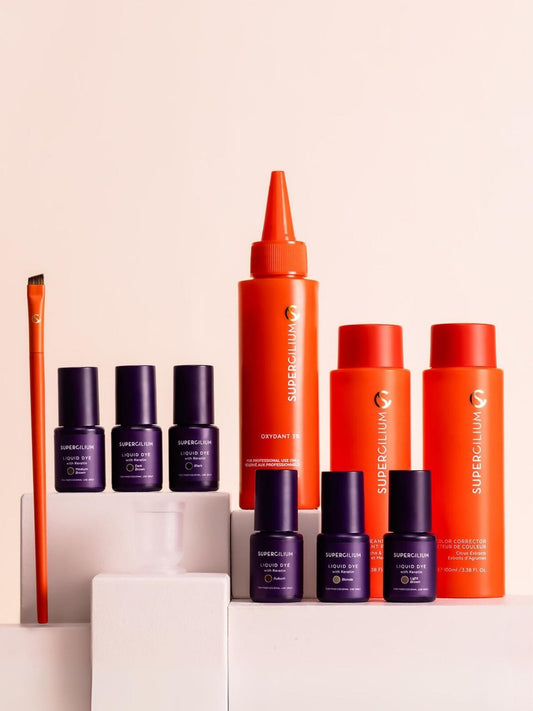
To successfully color-match fair-haired clients, you need a reliable palette of primary shades that can be adapted to different brow needs. In professional henna styling, your foundational shades for blondes generally fall into three distinct Supercilium pigment profiles:
1. Blonde Henna
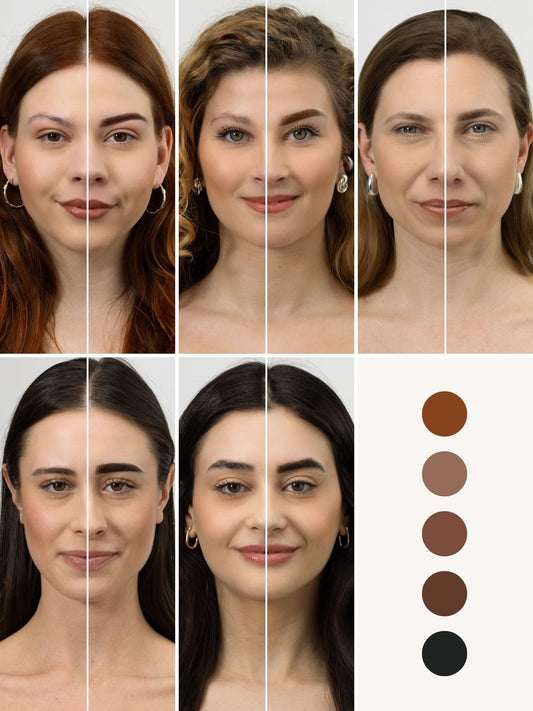
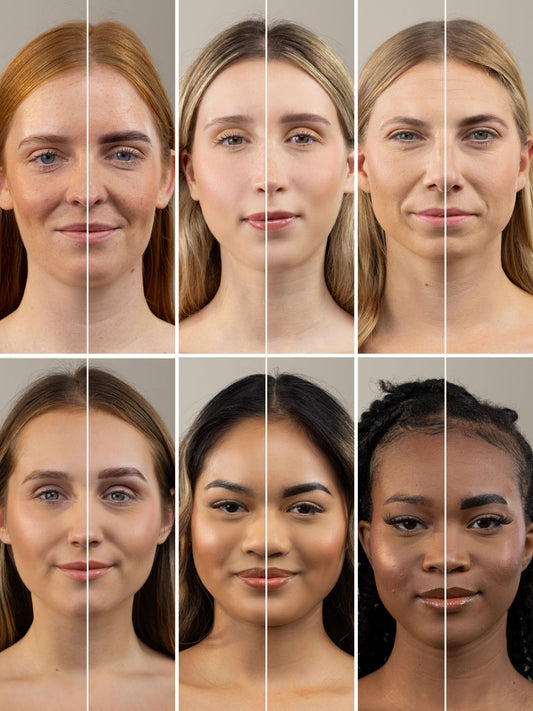
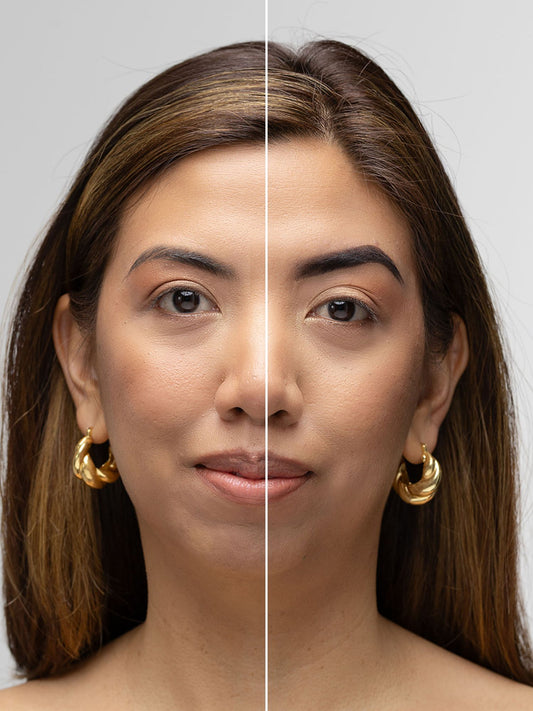
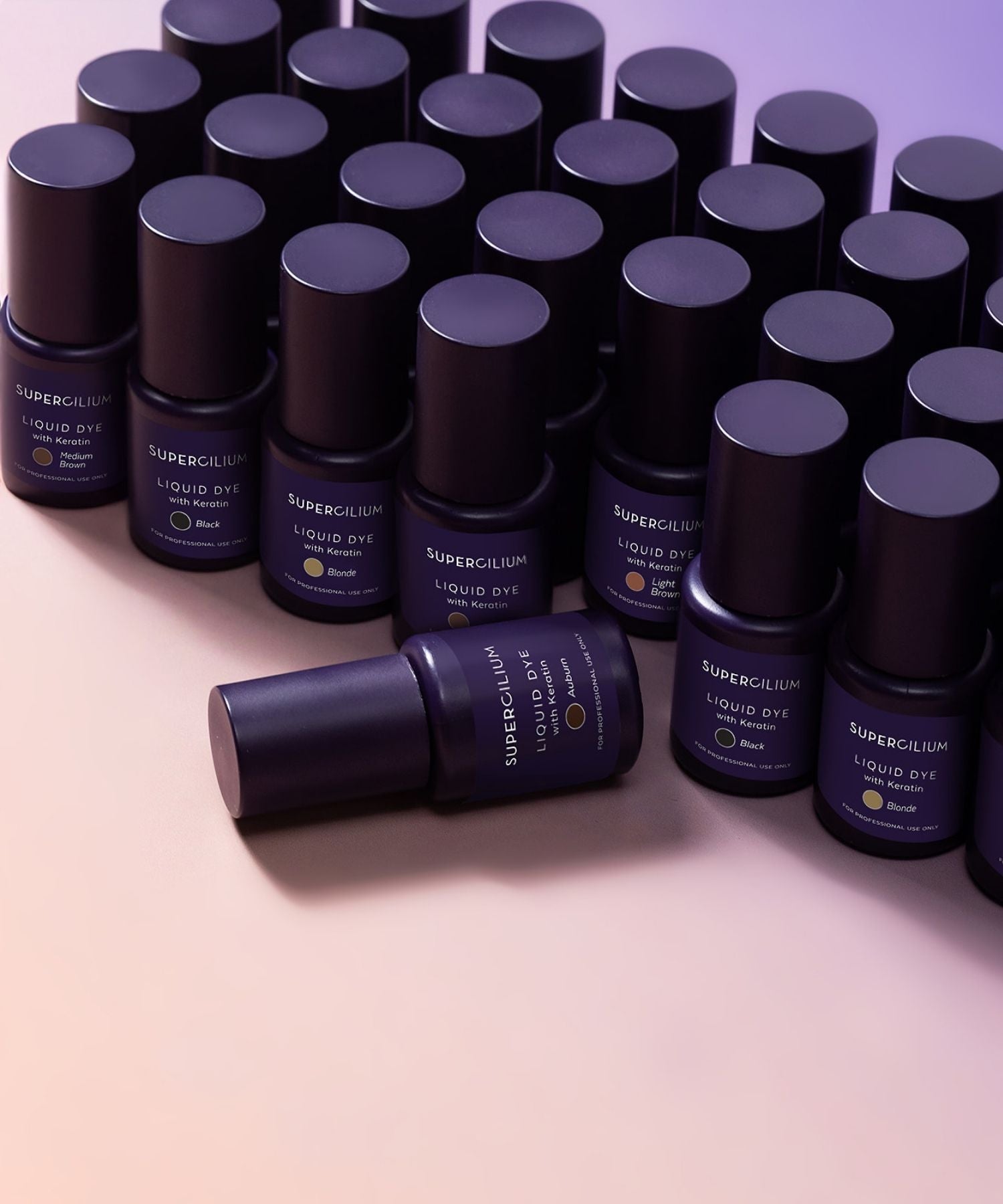
Don’t let the name fool you - our Blonde Henna↗ is created specifically for clients with very fair skin, platinum hair, or silver/white hair. The primary goal of this color is to provide structure and fill in sparse gaps without adding noticeable warmth. It leaves a delicate, ash-toned footprint on the skin and gently tints transparent hairs so they finally become visible.

2. Light Brown Henna
Our neutral Light Brown Henna↗ is an absolute must-haves for blonde clients who prefer a high-contrast, well-defined brow. It features an ashy, cool base that effectively counteracts the natural redness often found in fair skin. It provides excellent depth, making it the perfect choice for dark blondes, "dirty" blondes, or clients who regularly fill in their brows with makeup.

3. Auburn Henna
For clients with strawberry blonde, ginger, or rich golden-honey hair, adding Auburn Henna↗ to your toolkit is essential. It introduces coppery undertones that mimic the natural reflection of warm hair, ensuring the eyebrows harmonize beautifully with the client's hair color instead of clashing with it.

Pro Mixing Recipes: The Art of Custom Blending
A master Brow Artist rarely uses just one color straight from the jar. By blending different pigments together, you can create a bespoke hue that perfectly aligns with your client's unique hair-to-skin transition. Here are three industry-standard mixing formulas for blonde clients using the Supercilium range:
|
Client Hair Type |
Target Look |
The Mixing Recipe |
Technical Style Notes |
|
Platinum / Silver Blonde |
Natural Soft Blonde |
100% Supercilium Blonde Henna |
Keep the application light. Process for a shorter duration (10–12 minutes) to maintain an airy, sophisticated frame. |
|
Dark Blonde / Ash Blonde |
The "Ash Blonde" Dream |
2/3 Blonde Henna + 1/3 Light Brown Henna |
The ultimate sweet spot. The blonde base keeps the look soft, while the splash of light brown ensures a crisp, long-lasting skin stain. |
|
Honey Blonde / Strawberry |
Golden Honey Warmth |
3/4 Blonde Henna + 1/4 Auburn Henna |
Perfect for sun-kissed hair. The touch of auburn counteracts any flat, gray tones, giving a vibrant, harmonious finish. |
Step-by-Step Technique for Flawless Blonde Application
Because light skin shows every single outline and transition, your technical execution must be incredibly precise. Follow this step-by-step methodology to achieve clean, blended results.
Step 1: Deep Cleansing & Keratin Exfoliation
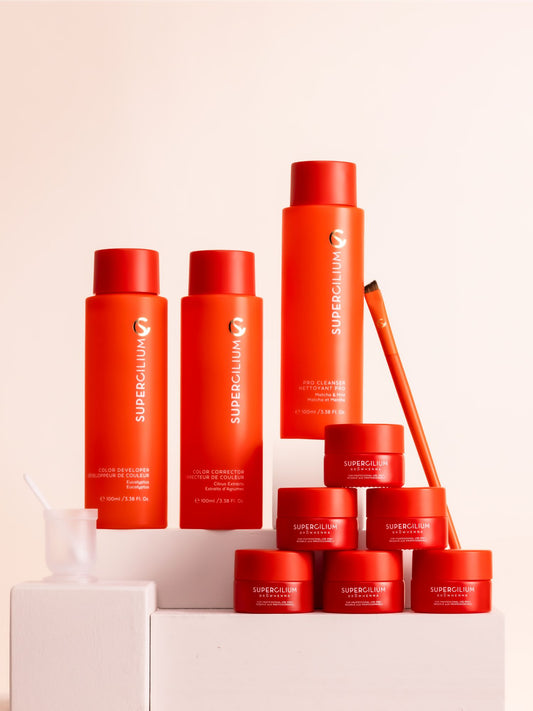
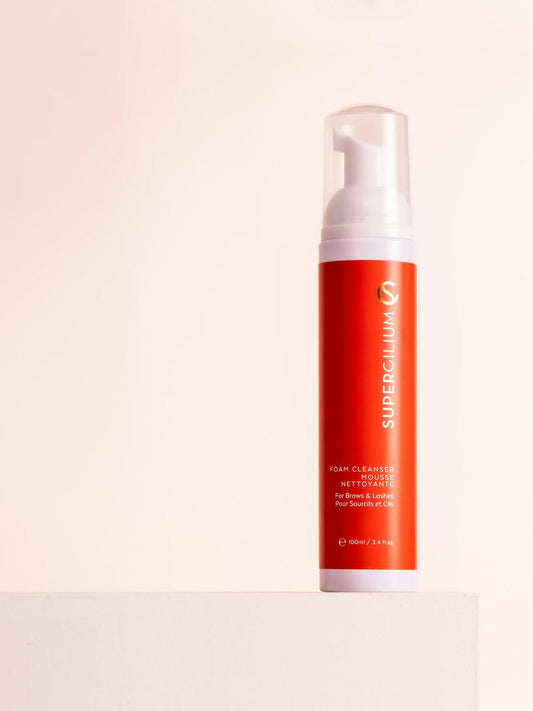
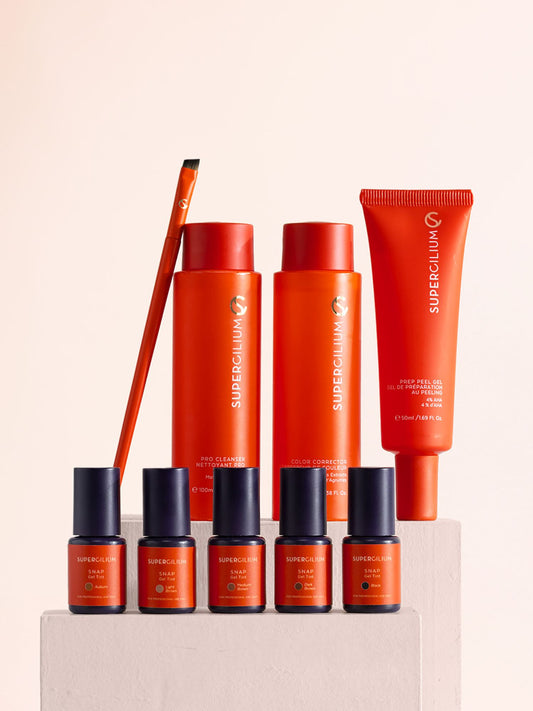
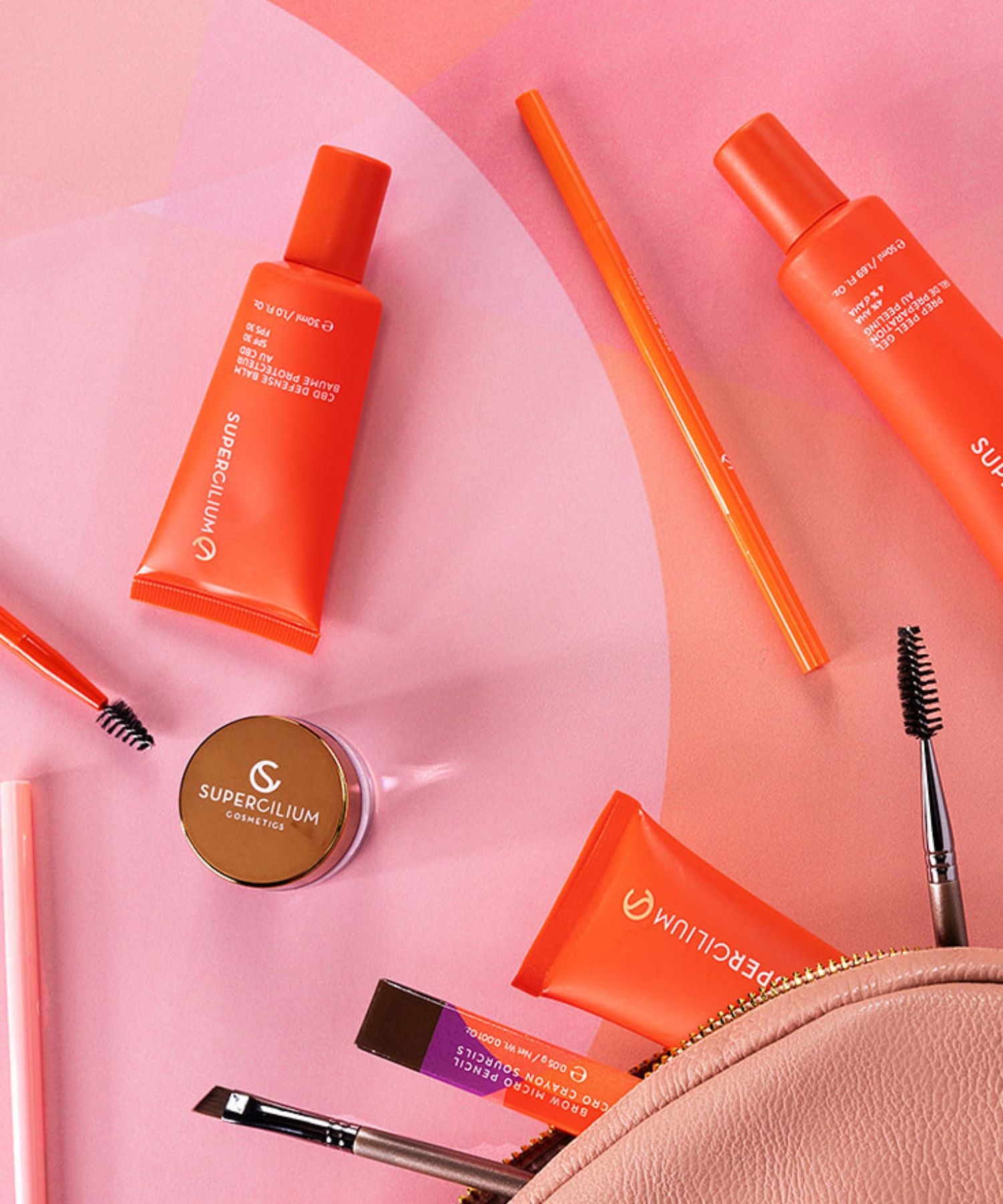
A patchy henna stain occurs when the pigment clings to uneven layers of dead skin cells. Begin by cleansing the area thoroughly with the Supercilium Pro Cleanser↗ to strip away makeup and surface oils. Follow this with a small amount of Supercilium Prep Peel Gel↗. Massage it into the skin beneath the brow hairs to create a perfectly smooth canvas, then wipe completely clean with a damp cotton pad.
Step 2: Activating the Pigment
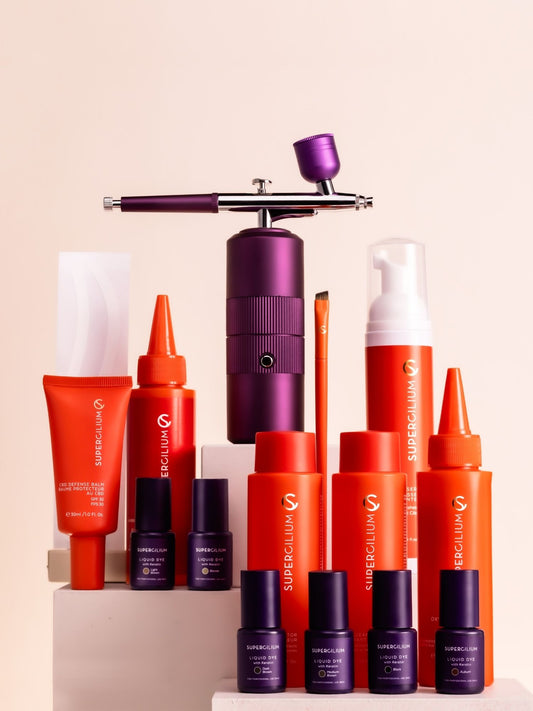
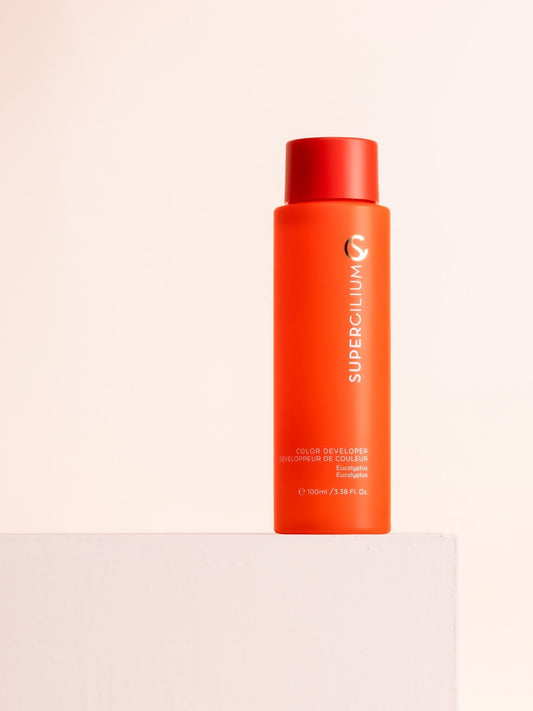
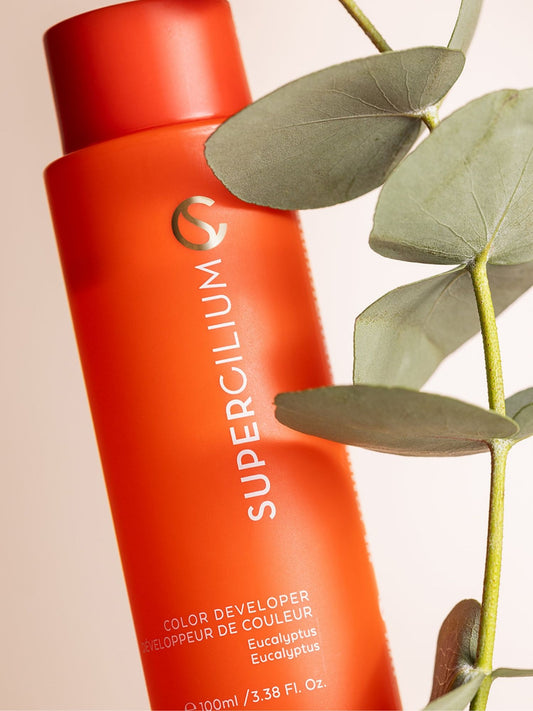
When working with lighter tones, how you mix the powder dictates the final color outcome. Use your measuring spoon to scoop the henna powder into a glass mixing cup. To activate the pigments properly, never use plain water, which contains unpredictable minerals that can alter the color. Instead, mix it with 15-20 drops of our Eucalyptus-infused Color Developer↗. This specialized developer boosts pigment intensity and guarantees a smooth, creamy consistency. Mix thoroughly for a full 60 seconds until it mimics smooth, melted chocolate, then let it rest for one minute to let the pigments fully activate.
Step 3: Precision Brow Mapping
Never eyeball a blonde eyebrow. Use a Brow Mapping Paste↗ and a fine thread to map out perfect, symmetrical lines according to the client’s facial architecture. The thick paste acts as a physical wall, ensuring that the light henna mixture stays strictly within your intended borders.
Step 4: The Stamping Application Method
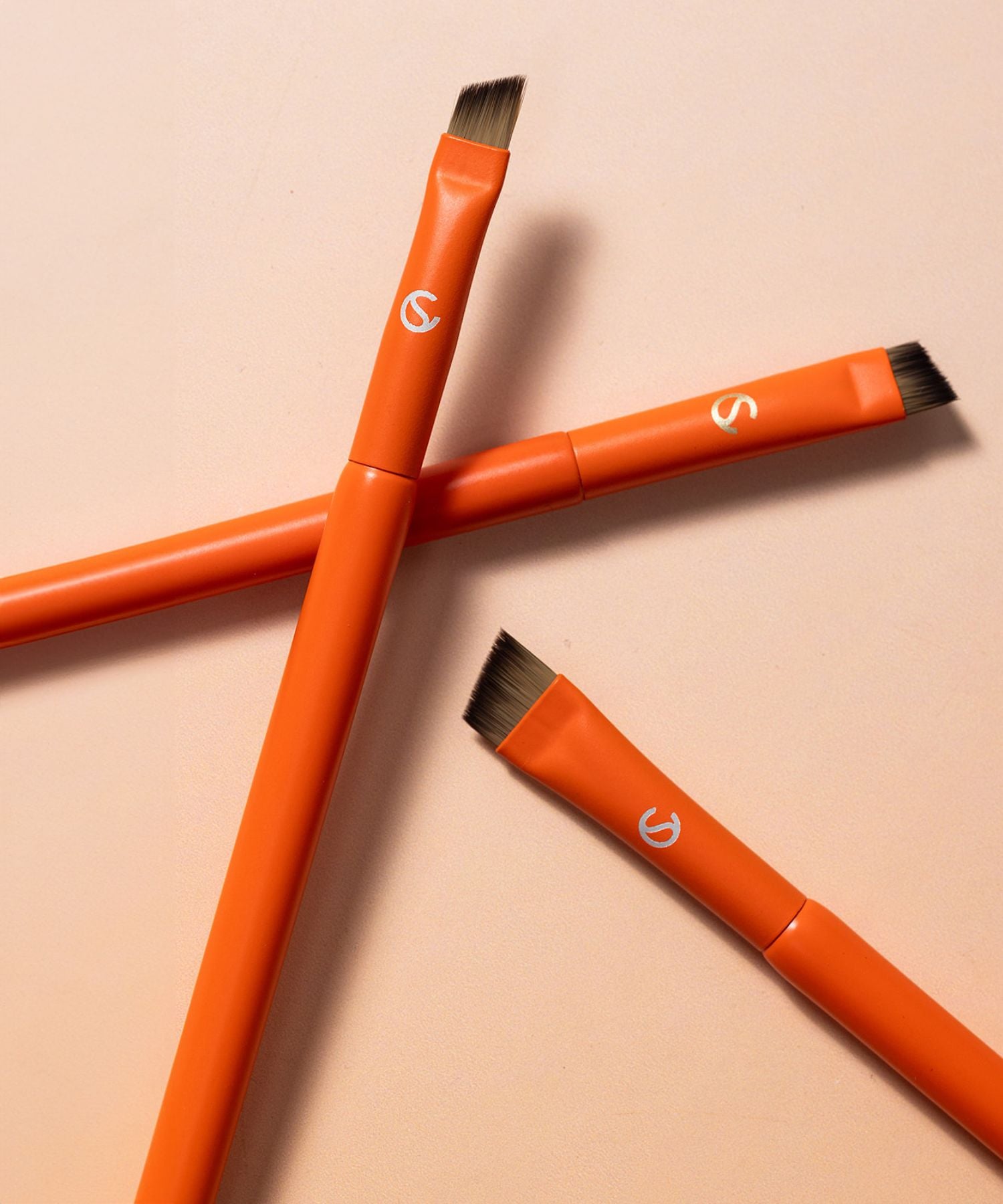
Blonde brows require maximum saturation at the skin level to look full. Load your angled brow brush with product and apply the henna using a firm, pressing or "stamping" motion. Start strictly at the tail of the brow, where you want the deepest color concentration. Work your way forward toward the head of the brow, making sure the product is pressed past the hair layer directly onto the skin.
Step 5: Executing the Soft Ombré Transition
Solid, block-like brows look incredibly harsh on fair faces. To keep the look modern and realistic, you must master the ombré technique. Exactly 3 to 5 minutes after finishing your application, take a damp, clean cotton pad and gently remove the henna only from the very front (the head) of the eyebrows. Leave the mid-section and tails to process for an additional 10 to 15 minutes. This creates a beautiful, seamless gradient that fades gently toward the nose.
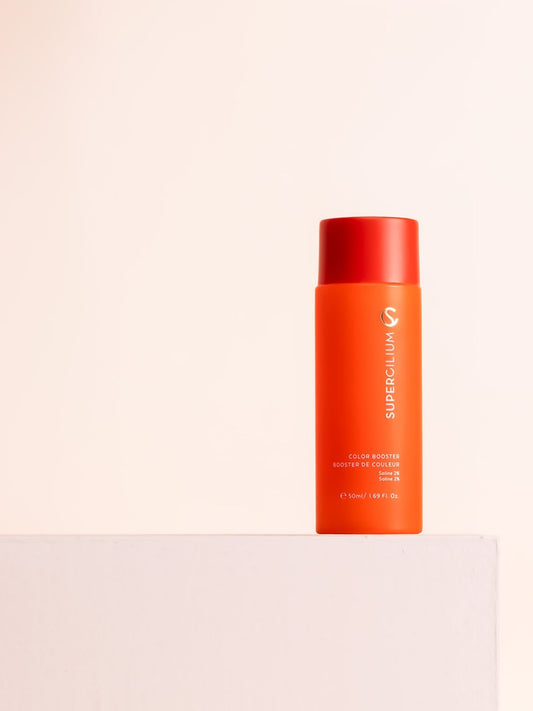
- Technical Troubleshooting for Oily Skin: If your client has an oily T-zone, light blonde henna can struggle to anchor to the skin surface. To remedy this without making the color darker, swap out half of your Color Developer for our Color Booster↗. This acts as a powerful anchor, helping the light blonde pigments grip aggressively to oily skin cell layers for a long-lasting result.

Post-Treatment Care for Light Tones
The work doesn't stop when the client leaves your chair. Because blonde henna shades are lighter and less dense in pigment than dark browns or blacks, improper aftercare will cause them to fade much faster. Educate your clients on these essential maintenance principles:
-
The 24-Hour Dry Window: The henna pigment continues to oxidize and lock into the skin for hours after the service. Clients must strictly avoid water, steam rooms, heavy workouts, and facial mists for the first 24 hours.
-
Skincare Separation: Advise your client to keep active skincare ingredients away from their brows. Retinols, alpha-hydroxy acids (AHAs), beta-hydroxy acids (BHAs), and heavy face oils will rapidly accelerate skin cell turnover, causing the skin stain to disappear within days.
-
Daily Hair Nutrition: Henna naturally coats and slightly dries the hair shaft to add volume. After the initial 24 hours have passed, applying a single drop of a nourishing organic brow oil every night keeps the brow hairs flexible, glossy, and healthy.
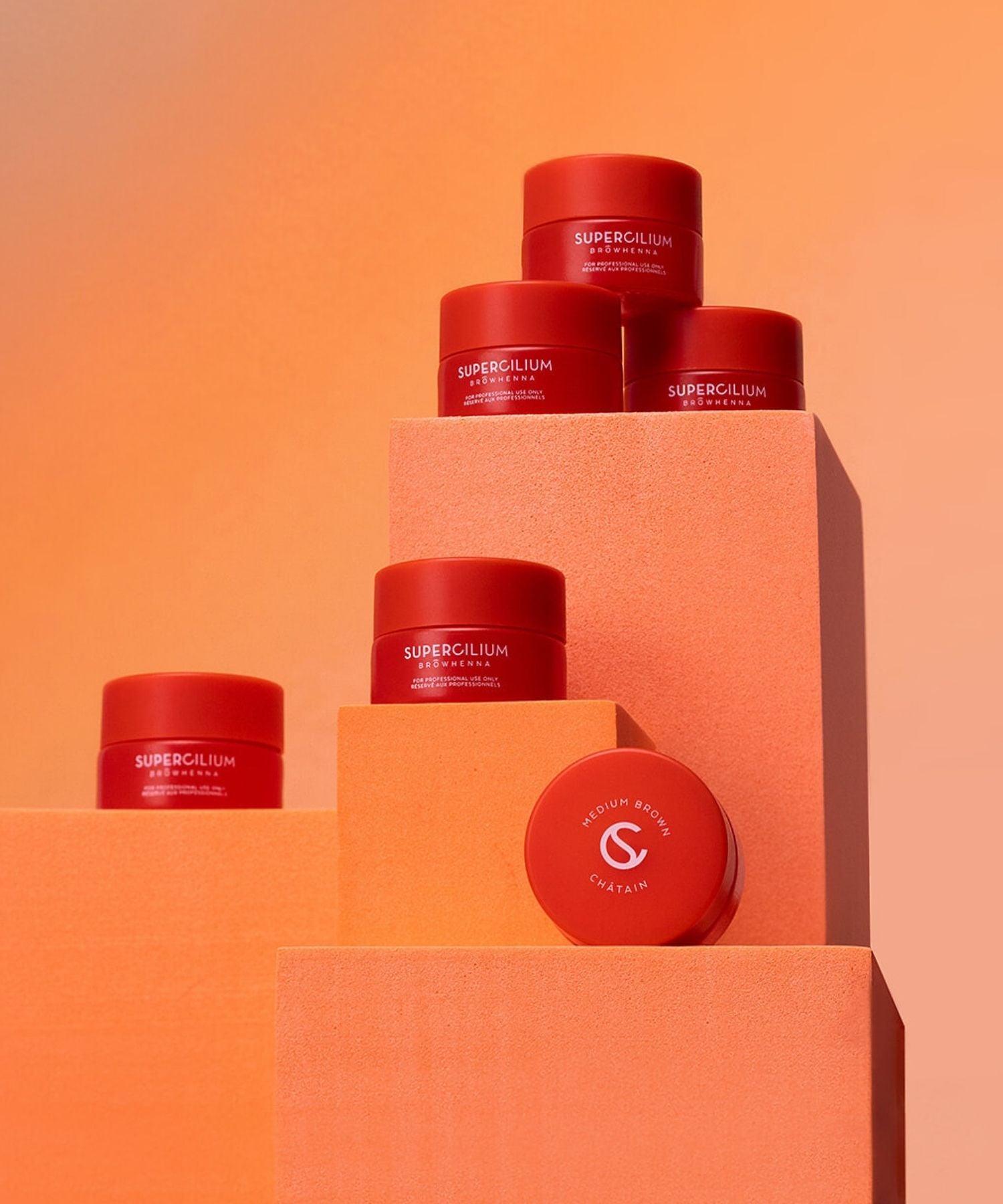
Ready to expand your technical skills and stock your salon station with premium supplies? Explore our comprehensive range of professional colors and mixing essentials by browsing the complete Brow Henna Collection↗ to elevate your blonde brow game today!